
What is Holistic Healing?
When it comes to healing and living a healthy, fulfilling life, many of us tend to focus only on the physical body. We go to the gym, eat healthier, or take medicine when we’re sick. But what if we told you that true, lasting healing goes much deeper?
.
Welcome to the holistic approach to healing—a method that looks at the whole person, not just symptoms. It’s about finding balance between four essential parts of our being: the Spiritual Body, Mental Body, Emotional Body, and Physical Body.
Here we’ll break down each of these four “bodies” in simple terms, so even if you’re completely new to this concept, you’ll walk away with a clear understanding of how it works—and how it can change your life.
ENERGETIC/SPIRITUAL BODY
What Is the Spiritual & Energetic Body?
The energetic body—sometimes called the spiritual body—is the part of you that exists beyond the physical. It’s your soul, life force, and vibration. It’s what connects you to something greater, whether that’s the universe, a higher power, nature, or the simple, sacred energy of being alive.
It’s not something you can see, but you feel it: in your intuition, your energy levels, your emotional state, and your sense of inner alignment.
Why It Matters
We are spiritual beings having a human experience.
When we forget this, we can feel disconnected—from ourselves, from others, and from life. That disconnection can show up as:
Fatigue and low energy
Repeating patterns that keep us stuck
Emotional heaviness like sadness, anger, jealousy, or fear
A loss of meaning or purpose
But when you raise your energetic vibration—by aligning with joy, gratitude, love, and truth—you begin to create powerful shifts in your inner and outer world.
The Chakra System & Meridians: Your Body’s Energy Map
Your energetic body isn’t abstract—it has structure and flow.
The Chakra System:
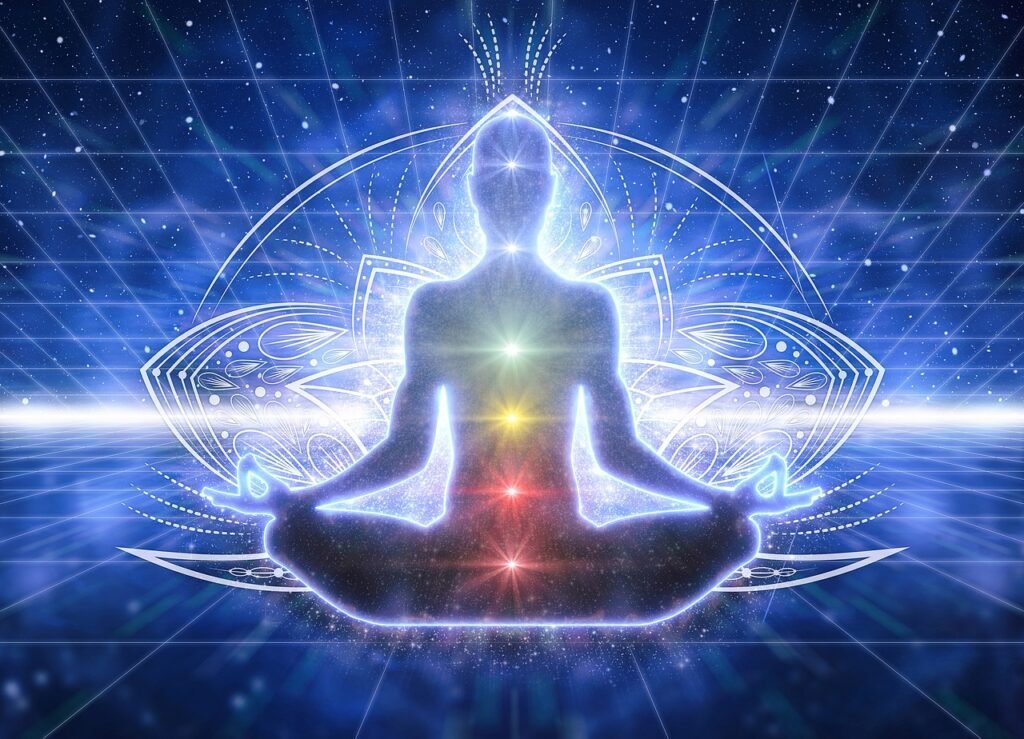
Chakras are seven main energy centers located along the spine, from the base to the crown of the head. Each chakra governs different emotional, physical, and spiritual aspects of your life:
Root (Safety & Belonging)
Sacral (Creativity & Emotions)
Solar Plexus (Confidence & Power)
Heart (Love & Compassion)
Throat (Expression & Truth)
Third Eye (Intuition & Vision)
Crown (Spiritual Connection)
When chakras are open and balanced, energy flows freely. When blocked or imbalanced, you may feel stuck in the areas those chakras represent.
Meridians:
Meridians are energy pathways used in Traditional Chinese Medicine. They carry Qi (life force energy) throughout the body and are the basis for practices like acupuncture and acupressure.
Blocked meridians can result in fatigue, emotional instability, and even physical symptoms. When these pathways are clear, your system flows with vitality and balance.
How Blocked Energy Affects Your Reality
Everything is energy—including your thoughts, emotions, and intentions. When your energy is blocked, stagnant, or vibrating at a low frequency, it can directly affect:
Your mood and mental clarity
Your physical health
Your ability to manifest goals or experience flow in life
On the flip side, when your energy is aligned and elevated, life begins to open up. You attract opportunities, experience synchronicities, and feel a sense of ease and alignment with your purpose.
Your energy doesn’t just reflect your reality—it creates it.
Techniques to Heal & Strengthen the Energetic Body
In my opinion, two of the most powerful techniques for healing and balancing the energetic body are Energy Healing and Sound Healing.
Energy Healing
Energy healing works by clearing energetic blockages and restoring the natural flow of energy throughout the body. This supports deep relaxation, emotional release, and the body’s innate ability to heal itself.
Sound Healing
Sound healing uses vibration and frequency to bring the nervous system into balance and harmonize the energetic field. The sounds gently guide the mind into a meditative state, allowing stress, tension, and energetic imbalances to dissolve.
Ready to Realign with Your Energy?
You are more than your physical body—you are an energetic being, full of light, wisdom, and purpose. When you begin to honor and care for your energetic body, everything else begins to shift.
If you’re ready to explore energy healing more deeply and reconnect with your highest self, I offer private and group energy healing.
Let’s bring your energy back into alignment—gently, intentionally, and together.

EMOTIONAL BODY
What Is the Emotional Body?
The emotional body is the part of you where all your feelings live—joy, sadness, fear, anger, love, grief, peace, and more. It’s not just about fleeting moods; it’s about your deep emotional patterns, responses, and the energy those emotions carry within your body.
These emotions influence how you think, act, and even how your physical body feels.
Why the Emotional Body Matters
Emotions don’t just “happen” to us. In most cases, they begin with a thought:
Thought: “I’m being disrespected.”
Emotion: Anger
Action: Reacting—maybe yelling or withdrawing.
But what if you could shift the thought before it turned into an emotional storm? You’d likely experience a different emotion—maybe compassion, understanding, or calm—and take a much more grounded action.
The goal isn’t to avoid emotions, but to become more conscious of them.
What Are Trapped Emotions?
When we suppress or avoid our emotions—especially the painful or uncomfortable ones—they don’t simply disappear. They get stored in the body as trapped emotional energy, often buried in the nervous system, muscles, or even internal organs.
These trapped emotions can manifest as:
Chronic tension or pain
Anxiety or emotional reactivity
Difficulty connecting with others
Feeling “stuck” in life or repeating unhealthy patterns
Why and How We Block Our Emotions
Blocking emotions is often a learned survival strategy. From a young age, many of us were taught—directly or indirectly—that some feelings are “too much,” “not appropriate,” or “unsafe.”
Common reasons we block or suppress emotions:
Fear of being judged or rejected
Cultural or familial conditioning (e.g., “Don’t cry,” “Stay strong,” “Anger is bad”)
Past trauma or emotional overwhelm
A belief that vulnerability is weakness
While these strategies may have protected us once, they can now keep us from healing fully.
The Power of Releasing Trapped Emotions
When you allow yourself to fully feel and release stored emotions, the results can be life-changing.
Emotional release frees up energy that was once used to suppress pain.
You may feel lighter, clearer, and more at peace.
You stop reacting from old wounds and start responding with awareness and compassion.
It can even support physical healing and nervous system regulation.
Techniques to Heal Trapped and Unfelt Emotions
Here are gentle, effective practices to help you process and release stored emotional energy:
Emotional Journaling
Write freely about what you’re feeling. Let it be raw, messy, and honest. Don’t censor yourself—this is about emotional expression, not perfection.
Crying (Yes, Really)
Tears are your body’s way of releasing emotional energy. Allow yourself to cry when needed—without shame or resistance.
Inner Child Healing
Connect with the part of you that didn’t feel safe to express emotions in the past. Let that version of you be seen, heard, and held.
Feeling Called to Go Deeper?
Healing your emotional body is not about “fixing” yourself—it’s about remembering that you were never broken to begin with.
If you’re ready to gently uncover and release what’s been weighing on your heart, I offer holistic coaching sessions that support emotional healing, inner peace, and self-connection in a safe, compassionate space.
Your feelings are valid. Your healing is possible.
MENTAL BODY
In holistic healing, the mental body refers to your thoughts, beliefs, mindset, and overall mental patterns. It includes both the conscious mind (what you’re actively aware of) and the subconscious mind (the deeper part of your mind that stores your core beliefs, many of which were formed early in life).
Together, these mental layers influence your behavior, emotional state, and even your physical health. In short, what you believe, you become.
The Conscious Mind vs. The Subconscious Mind
The Conscious Mind is responsible for your current awareness—logical thinking, decision-making, and day-to-day actions.
The Subconscious Mind, on the other hand, operates in the background. It stores your emotional memories, automatic responses, and long-standing beliefs. It quietly shapes how you think, feel, and behave—often without your conscious awareness.
This is why you may want to change something (consciously), but still feel stuck or blocked. The subconscious mind is often the gatekeeper.
How the Subconscious Mind is Formed (Especially in Childhood)
The subconscious mind is most impressionable between birth and age 7. During this time, children live in a brainwave state similar to hypnosis (theta and delta brainwaves), which makes them highly absorbent of their environment.
This means:
What children see, hear, and experience—especially from parents, caregivers, and teachers—gets recorded as truth.
These early impressions become the blueprint for how we interpret the world later in life.
So, if a child receives love, praise, and emotional safety, they often form healthy beliefs. But if a child experiences rejection, criticism, or emotional neglect, they may develop negative or limiting beliefs.
What Are Limiting Beliefs?
Limiting beliefs are false ideas or assumptions you hold about yourself, others, or the world that hold you back from growth and happiness. Examples include:
“I’m not good enough.”
“Money is bad.”
“Love always ends in pain.”
“I have to work hard to be worthy.”
These beliefs feel real, but they’re simply stories your subconscious picked up from past experiences—especially in childhood.
How Limiting Beliefs Run Your Life
Even as adults, we are often still run by the subconscious programs we formed decades ago.
You may sabotage relationships without knowing why.
You may fear success or visibility because of old programming.
You may stay in a job or pattern that doesn’t serve you because “that’s just how life is.”
These behaviors aren’t irrational—they’re programmed. Until we uncover and rewrite these subconscious patterns, they continue to shape our reality.
Techniques to Rewrite Your Subconscious Mind
The good news? The subconscious can be reprogrammed. Here are powerful tools you can use:
Affirmations (with Feeling)
Repeat positive statements that align with the new belief you want to create. Example: “I am worthy of love and success.” Tip: Feel it emotionally—don’t just say it.
Visualization
Picture your desired reality in vivid detail. The subconscious doesn’t distinguish between real and imagined experiences.
Healing the Mental Body Holistically
True healing happens when you align your mental, emotional, physical, and spiritual selves. Working with the mental body—especially the subconscious mind—is a powerful way to transform from the inside out.
When you change your beliefs, you change your energy. And when you change your energy, you change your life.
Ready to explore what’s holding you back—and rewrite the story?
If you’re feeling called to go deeper into your healing journey and shift the beliefs that are shaping your life, I invite you to explore holistic coaching with me. Together, we’ll work gently with your subconscious patterns to create real, lasting transformation—from the inside out.
Your healing begins with awareness—and you don’t have to do it alone.

PHYSICAL BODY
This is the part of you that you can see and touch—your body. It’s where the effects of your spiritual, mental, and emotional health become visible.
If your spiritual, mental, and emotional bodies are out of balance, your physical health may suffer. You might feel tired, sick, stressed, or out of shape—even if you’re doing all the “right” things.
On the other hand, when all four bodies are in harmony, you start to feel stronger, healthier, and more alive. Your physical body becomes a reflection of your inner balance.
When it comes to your physical body, 3 things are important.
Quality Sleep, Food and movement.
Quality sleep is the foundation of physical and mental health. During deep sleep, the body undergoes critical repair processes—healing tissues, balancing hormones, and consolidating memories. Without enough restorative rest, energy levels drop, cognitive function declines, and the immune system weakens. Chronic sleep deprivation can lead to serious long-term health issues, including heart disease, weight gain, and mood disorders. Prioritizing consistent, high-quality sleep is essential for overall vitality and performance.
Nutritious food fuels every system in the body. Whole, balanced meals provide the essential nutrients needed for brain function, cellular repair, hormone regulation, and immune support. Eating a diet rich in whole foods like vegetables, fruits, lean proteins, and healthy fats keeps blood sugar levels stable, prevents cravings, and sustains energy. Food isn’t just about calories—it’s about nourishment, which directly impacts how you feel, think, and move throughout the day.
Movement is essential for maintaining strength, mobility, and cardiovascular health. Regular physical activity improves circulation, enhances muscle and bone strength, and helps regulate mood through the release of endorphins. It also supports metabolism and aids digestion. Beyond the physical, movement reduces stress, sharpens focus, and improves sleep quality. Whether it’s walking, stretching, strength training, or dancing, consistent movement is a non-negotiable pillar of a healthy life.
SLEEP
Sleep is one of the most crucial aspects when it comes to the healing of the physical body, as part of our holistic approach to health and wellness.
When we sleep, our body enters a state of deep restoration. It’s during this time that tissues are repaired, muscles grow, and cells regenerate. The immune system becomes more active, fighting off illness and reducing inflammation. Growth hormone, which plays a key role in physical repair and recovery, is released predominantly during deep sleep.
Additionally, the brain clears out toxins, consolidates memories, and resets emotional balance. Without enough quality sleep, the body struggles to recover properly, leading to fatigue, poor performance, and a weakened immune response.
Now that we know how important it is to have high-quality sleep, let’s have a look at the ways to improve it.
1. Lifestyle Changes
These set the foundation for healthy, restorative sleep.
Establish a consistent sleep schedule (even on weekends).
Avoid screens 1–2 hours before bed (blue light disrupts melatonin production).
Create a wind-down routine (reading, warm bath, dim lights).
Limit caffeine and alcohol (especially in the afternoon/evening).
Get natural sunlight exposure early in the day (helps regulate circadian rhythm).
Keep your bedroom cool, quiet, and dark.
Reserve your bed for sleep and intimacy only (not work or screen time).
2. Herbs
Herbal remedies can help calm the nervous system and promote deeper sleep.
Valerian root – Natural sedative; helps you fall asleep faster.
Chamomile – Gentle relaxant; great as tea before bed.
Passionflower – Eases anxiety and supports restful sleep.
Lemon balm – Calms the mind; blends well with chamomile or valerian.
Ashwagandha – An adaptogen that helps regulate stress hormones like cortisol.
🌿 Tip: Herbal teas or tinctures are effective. Always check for interactions with medications.
3. Supplements
These provide nutritional or hormonal support for better sleep quality.
- Magnesium (especially glycinate or threonate) – Relaxes muscles and calms the nervous system.
Melatonin – A sleep hormone; helpful for jet lag or adjusting sleep schedules.
L-theanine – An amino acid that promotes relaxation without drowsiness.
Vitamin B6 (P5P form) – The active form of B6; supports serotonin and melatonin production, especially when taken with magnesium. Helps regulate sleep-wake cycles and ease anxiety.
Glycine – An amino acid that lowers body temperature slightly and promotes deeper, more restful sleep.
🔍 Tip: Try combining P5P, magnesium, and glycine for a gentle, synergistic sleep stack—great for calming the mind and preparing the body for rest.
4. Crystals
These are used for their energetic properties and can be placed under your pillow, on a nightstand, or held during meditation.
Amethyst – Calms the mind and supports peaceful sleep.
Lepidolite – Contains lithium; helps reduce anxiety and emotional stress.
Selenite – Clears negative energy and promotes spiritual peace.
Moonstone – Balances emotional energy, especially during hormonal shifts.
Howlite – Soothes an overactive mind and calms insomnia.
✨ Tip: Cleanse crystals regularly (moonlight, smudging, or salt).
5. Essential Oils
Used in diffusers, sprays, or diluted on skin (e.g., wrists, temples, soles of feet).
Lavender – Universally known for its calming, sleep-inducing properties.
Roman Chamomile – Eases restlessness and promotes relaxation.
Cedarwood – Grounding; helps the mind slow down.
Bergamot – A citrus oil with calming, not stimulating, effects.
- Ylang Ylang – Eases tension and lowers heart rate.
🌿 Tip: Create a bedtime blend (e.g., lavender + cedarwood) in a diffuser or roller bottle.
6. Exercises
Certain types of movement help relax the body and prepare the nervous system for sleep.
Gentle Yoga or Stretching (15–30 minutes before bed):
Child’s Pose
Legs-Up-the-Wall
Supine Twist
Breathwork / Pranayama:
4-7-8 breathing (inhale 4s, hold 7s, exhale 8s)
Alternate nostril breathing
Tai Chi or Qi Gong – Flowing, mindful movement that relaxes the nervous system.
Walking – A 20-minute walk after dinner can aid digestion and relax the body.
💤 Tip: Avoid intense exercise too close to bedtime—it may be too stimulating.
FOOD
A healthy and balanced diet is important for several key reasons — it’s about fueling your body the right way so it can function at its best. Here’s why it matters:
1. Supports Overall Health
A balanced diet gives your body the essential nutrients (like vitamins, minerals, proteins, fats, and carbohydrates) it needs to:
Keep your organs functioning properly
Strengthen your immune system
Maintain healthy skin, hair, and nails
Support growth and development (especially in kids and teens)
2. Helps Maintain a Healthy Weight
Eating a balanced variety of foods in the right portions helps manage your weight. This reduces the risk of:
Obesity
Type 2 diabetes
Heart disease
Joint problems
3. Boosts Energy Levels
Foods rich in nutrients provide steady energy throughout the day. Complex carbs, healthy fats, and proteins keep you alert and active — unlike sugary or processed foods that can lead to energy crashes.
4. Supports Brain Function and Mental Health
A healthy diet is linked to better concentration, memory, and mood. For example:
Omega-3s (found in fish) support brain health
Whole grains and fruits help with focus and emotional balance
Poor diets can contribute to anxiety and depression
5. Reduces Risk of Chronic Diseases
Long-term poor eating habits can lead to diseases like:
Heart disease
High blood pressure
Certain cancers
Osteoporosis
Eating well helps prevent these by keeping cholesterol, blood sugar, and blood pressure levels in check.
6. Affects Longevity and Quality of Life
A good diet doesn’t just help you live longer — it helps you live better, with more mobility, fewer illnesses, and greater independence as you age.
Begin by gradually cutting back on fast food, ready-made meals, and foods containing additives, with the goal of eventually eliminating them from your diet. Reduce your intake of alcoholic beverages and excessive coffee, and work toward quitting smoking altogether. Limit your consumption of added sugars and aim to remove foods that trigger sensitivities or intolerances.
Start by making healthy additions to your lifestyle, such as drinking more water and incorporating a variety of fruits and vegetables into your diet. Focus on preparing nutritious homemade meals that cover all the essential nutrients your body needs. Use filtered tap water or opt for mineral water when possible.
Consider reducing your meat intake or adopting a vegetarian diet. Choose seasonal and organic foods whenever available, and, if possible, try growing your own fruits and vegetables for maximum freshness and control. Eating smaller portions and following a personalized food plan based on your individual needs can also support long-term health and well-being.
MOVEMENT
Movement is essential for maintaining the health of our physical body because it supports nearly every system within it—from our muscles and bones to our heart, brain, and immune system.
Why Movement Is Important for Physical Health
Maintains Musculoskeletal Health
Regular movement strengthens muscles, tendons, and bones.
It helps maintain joint flexibility and reduces the risk of injury and conditions like osteoporosis and arthritis.
Supports Cardiovascular Function
Movement, especially aerobic activity, improves heart strength and blood circulation.
It helps lower blood pressure and bad cholesterol while increasing good cholesterol.
Regulates Metabolism and Weight
Physical activity boosts metabolic rate and helps regulate blood sugar.
It prevents obesity and reduces the risk of metabolic disorders like type 2 diabetes.
Improves Immune Function
Moderate exercise enhances the immune system, improving your ability to fight infections and reduce inflammation.
Enhances Mental Health
Movement stimulates the release of endorphins and other neurotransmitters that improve mood.
It reduces symptoms of anxiety, depression, and stress, which are closely linked to physical health.
Supports Digestive and Organ Health
Movement helps stimulate digestion and prevents constipation.
It supports kidney and liver function through improved circulation.
Prevents Chronic Diseases
Regular movement reduces the risk of chronic illnesses like heart disease, stroke, cancer, and dementia.
How Movement Benefits the Body (Mechanisms)
Increased Blood Flow
Movement boosts circulation, delivering oxygen and nutrients to tissues and organs more efficiently.
Muscle Contraction & Strengthening
Physical activity causes muscles to contract, which leads to strengthening and increased endurance over time.
Lymphatic System Activation
Unlike the cardiovascular system, the lymphatic system lacks a central pump. Movement helps push lymph through the body, supporting immune function.
Hormonal Regulation
Exercise balances hormones like insulin, cortisol, and endorphins, which regulate everything from energy levels to inflammation and sleep.
Neuroplasticity
Movement stimulates brain plasticity and improves memory and learning by increasing blood flow and growth factors in the brain.
Joint Lubrication
Movement circulates synovial fluid in joints, reducing stiffness and maintaining joint health.
Types of Movement That Help
Aerobic Activity: Walking, running, cycling, swimming – great for heart and lung health.
Strength Training: Weight lifting, resistance bands – vital for muscle and bone density.
Flexibility and Balance: Yoga, stretching, tai chi – helps with injury prevention and posture.
Everyday Activity: Taking the stairs, gardening, or even standing up regularly from your desk – small movements that add up.
Movement is not just about fitness or weight loss—it’s a vital function that supports the core of human health. It ensures that our bodies operate efficiently, remain resilient to illness, and age more gracefully.